Flows framework to be used to understand effects of potential flow reductions in Santa Ana River watershed
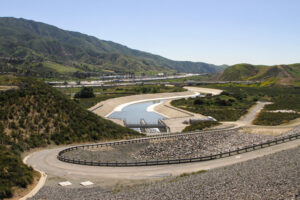
SCCWRP and the Orange County Water District have launched a three-year study to evaluate how reducing discharges that have traditionally flowed into the Prado Basin in the Santa Ana River watershed can be expected to affect the ecological health of the basin’s ecosystems.
The study, which kicked off in January, is using the California Environmental Flows Framework (CEFF) to determine what flow patterns need to be maintained in the middle Santa Ana River and its tributaries – located upstream of Prado Dam in Corona – to sustain both healthy aquatic ecosystems and human uses.
Communities upstream of the Prado Basin are interested in reducing the amount of treated wastewater effluent and runoff they discharge into the Santa Ana River watershed to achieve their local water-reuse goals. But these flows support groundwater recharge and sustain critical riparian habitats in Prado Basin, underscoring the need to identify balanced flow management solutions.
CEFF, which was co-developed by SCCWRP, provides a standardized statewide approach for establishing flow targets for streams that balance multiple human and ecosystem needs for flowing water.
More news related to: Ecohydrology