Effort launched to expand DNA reference libraries for intertidal habitats
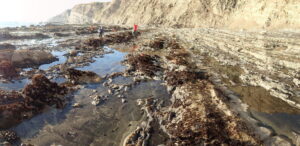
SCCWRP and its partners have launched a multi-year initiative to build a comprehensive library of genetic identifying information for thousands of species in California’s coastal intertidal areas – a major statewide investment that will pave the way for robust, ongoing DNA-based monitoring in these ecologically diverse habitats.
The California Intertidal Biodiversity DNA Barcode Library project, which kicked off with a two-day planning workshop in January that was hosted by SCCWRP, is the first large-scale, coordinated effort within California to generate comprehensive genetic identifying information for thousands of fish, invertebrates and algae across an aquatic habitat. Researchers hope the project will serve as a template for coordinating and building comprehensive DNA reference libraries for other types of aquatic habitats in the future.
As traditional, manual identification of aquatic organisms by trained taxonomists gives way to rapid, DNA-based identification methods, environmental managers increasingly are relying on DNA reference libraries to identify the species they are monitoring.
Although this information has already been published for some species and although the libraries are continually expanding, DNA reference libraries remain incomplete and uneven across species and habitats, limiting managers’ ability to use DNA-based methods to monitor all species of interest.
The limitation is particularly constraining when managers are monitoring organisms via the DNA they shed into their environment, known as environmental DNA (eDNA). eDNA monitoring makes it possible to cast a wide net, but in the absence of DNA reference libraries for every species of interest, many “dark taxa” go routinely undetected.
The SCCWRP-facilitated project is a strategic statewide mandate issued by the Office of Governor Gavin Newsom to the California Ocean Protection Council.
Researchers are treating the project as a demonstration for how to organize large-scale DNA field sampling events, analyze and extract high-quality DNA barcoding data, and ensure samples are properly archived in public museum collections. SCCWRP and its partners are exploring how to develop DNA sequencing databases and data analysis tools that not only make genetic identification information accessible, but also support analyses of species distributions and temporal trends.
Intertidal habitats are the narrow area of the coastline that alternates between being submerged at high tide and exposed at low tide. These areas are among the most vulnerable coastal habitats to the intensifying effects of climate change, including rising water temperatures and sea levels.
Key to the success of the project’s large-scale sampling “bioblitzes” will be ensuring that all participants follow standardized workflows and methods to generate comparable, comprehensive genetic identification information.
During the January workshop, researchers and managers from several environmental agencies, including SCCWRP member agencies, reached agreement on how to collect and store both voucher specimens and DNA for thousands of intertidal species. The workshop also focused on identifying best practices for making the resulting data publicly accessible and interpretable by the broader management community, including an interactive website and data portal.
A technical report summarizing the workshop outcomes and next steps is expected to be published this spring.
For more information, contact Dr. Susanna Theroux.
More news related to: Bioassessment, DNA Barcoding, Top News