Case study synthesis to expand management utility of statewide framework for setting stream flow targets
SCCWRP and its partners have begun synthesizing a series of case studies that explain how the California Environmental Flows Framework (CEFF) has been used to establish flow targets for streams that protect ecosystem health – the latest step in an ongoing, three-year study seeking to expand the management utility of the statewide scientific framework.
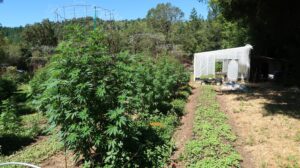
The compilation of more than a dozen CEFF case studies began in May, following a series of focus groups held in early 2026 to solicit lessons learned and feedback from the end-user management community. The CEFF case studies span different parts of the state and different management contexts, including dam-regulated rivers, flow diversions to support cannabis cultivation, and urbanized watersheds.
The overall goal of the ongoing “From Framework to Flows (F2F)” project is to extend CEFF’s utility by enabling managers to answer more integrated management questions about the relationships between stream flow patterns, groundwater extraction practices, and changes in water quality. CEFF was originally released in 2021.
Existing tools supporting CEFF do not adequately account for the fact that groundwater extraction can result in reductions to nearby stream flows, nor how changes in stream flows can affect key water-quality parameters, including stream temperatures and specific conductance.
More news related to: Ecohydrology